
There is so much to do at the beginning of the school year, and if your classroom has looked anything like mine over the years, you’re also thinking about how planning can best support English language learners. As an English Support Teacher, I know how challenging supporting English language learners can be during whole-class instruction, and how easy it is for students to feel left out.
Supporting English language learners might feel like just one more thing on your already full plate. But don’t fear! A little intentional planning goes a long way. And here, I’ve got you covered with an easy-to-implement list of practical, realistic strategies for supporting ELLs while keeping your classroom inclusive, engaging, and manageable.
As you read through these tips, remember balance is key.
You’re aiming for a mix of:
- Doing what everyone else is doing so your students feel included
- Providing targeted support so they can access learning and experience success
1. Building Strong Routines for Supporting ELLs
One of the most powerful tools when supporting English language learners is establishing predictable routines.
Routines allow you to:
- Create independence in your classroom
- Free up time to work with small groups
- Provide targeted support for ELLs, struggling learners, as well as extensions for your more capable students
If you need ideas, check out my routines guide here.
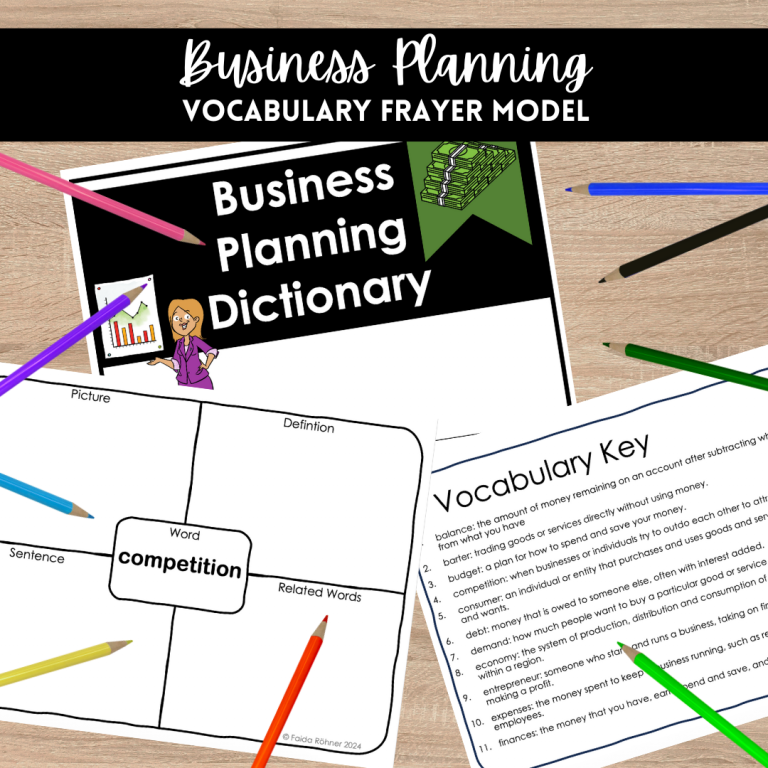
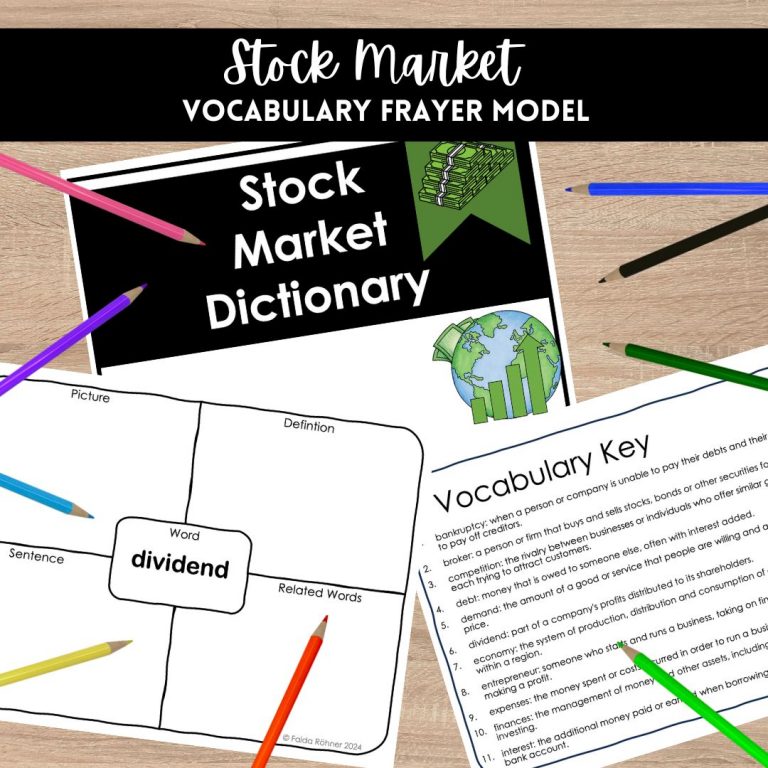
2. Frontload Vocabulary When Supporting English Language Learners
When supporting English language learners, vocabulary is everything.
Focus on:
- The minimum essential words students need to access the unit
- Pre-teaching vocabulary before whole-class instruction
Tips:
- Aim for about 8–10 key words
- Choose words that allow students to participate early
- Avoid overwhelming students with long lists
This type of planning to support English language learners not feel lost, but rather helps them feel confident and ready.
3. Use Games to Make Supporting ELLs Engaging
Learning a language should be active and fun. Games are a powerful way of supporting ELLs while reinforcing key concepts.
Try:
- Memory
- Bingo
- “I Have, Who Has”
- Matching games
- Charades
You can use these with just a small ELL groups or with your whole class (when your teaching subject-specific vocabulary)
4. Draw (A Lot!) to Support Understanding
Visuals are essential when supporting English language learners.
Drawing helps students:
- Understand meaning beyond translation
- Connect vocabulary to real-world use
- Engage with content even without full language proficiency
Bonus idea:
- Have students find and share the word in their home language
5. Teach Through Patterns to Build Confidence
When introducing new concepts, highlight patterns.
Steps:
- Identify and name the pattern
- Have multiple students repeat by identifying the same pattern in examples in front of the whole class
- Then invite ELLs to participate
Ways ELLs can engage:
- Pointing to the correct example
- Repeating key vocabulary
This is a simple but powerful strategy for supporting English language learners and building confidence.
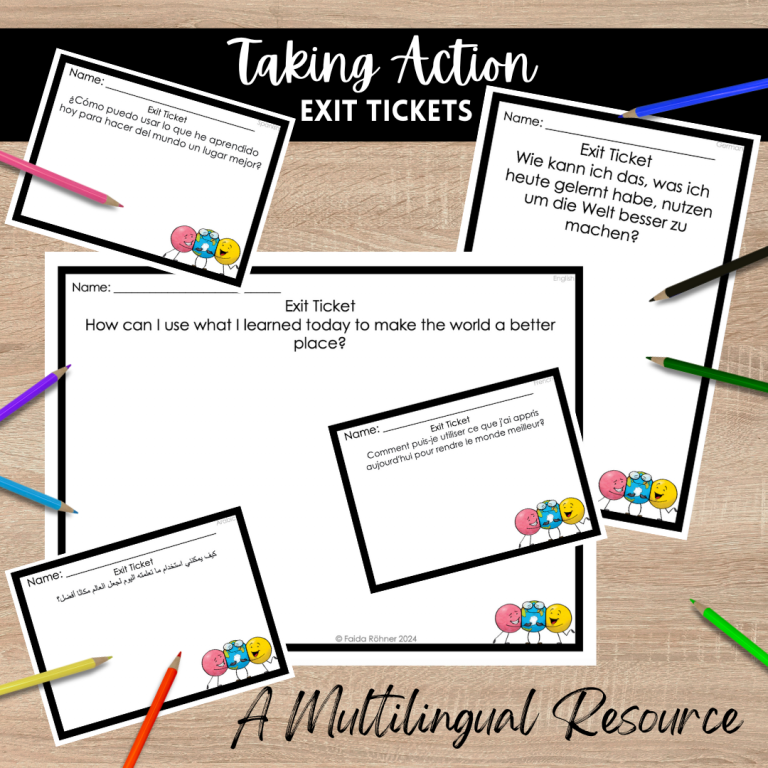
6. Translate Strategically (Not Everything)
Translation is helpful, but balance matters when supporting ELLs.
Translate:
- Topics
- Objectives
- Main ideas
Avoid translating everything. You don’t want students to get reliant on translations. Productive struggle is part of learning.
Ways to translate:
- Quick tools like Google Translate (Yes, Google Translate will make mistakes, but it’s a great place to start if you need students to understand key concepts or objectives.)
- Support from older students or parents
Parents especially appreciate being included. It strengthens home-school connections and supports your planning to support English language learners.
7. Group Students Thoughtfully When Supporting ELLs
If possible, group students who share a common language. BUT use this strategy intentionally.
Use same-language grouping for:
- Exploring new concepts
- Practicing skills
- Conducting research
Be mindful:
- Don’t create dependency on translation
- Keep your learning objective in focus
Real example:
During a science unit on energy, I grouped students with similar home language together. I didn’t understand everything they said, but I could tell by how they were referencing to their materials that they were on topic. I got a particular kick out hearing “wind turbine” used in English during a discussion in Spanish. Students only knew this subject-specific word in English and using it showed real learning happening.
8. Involve Students in the Translation Process
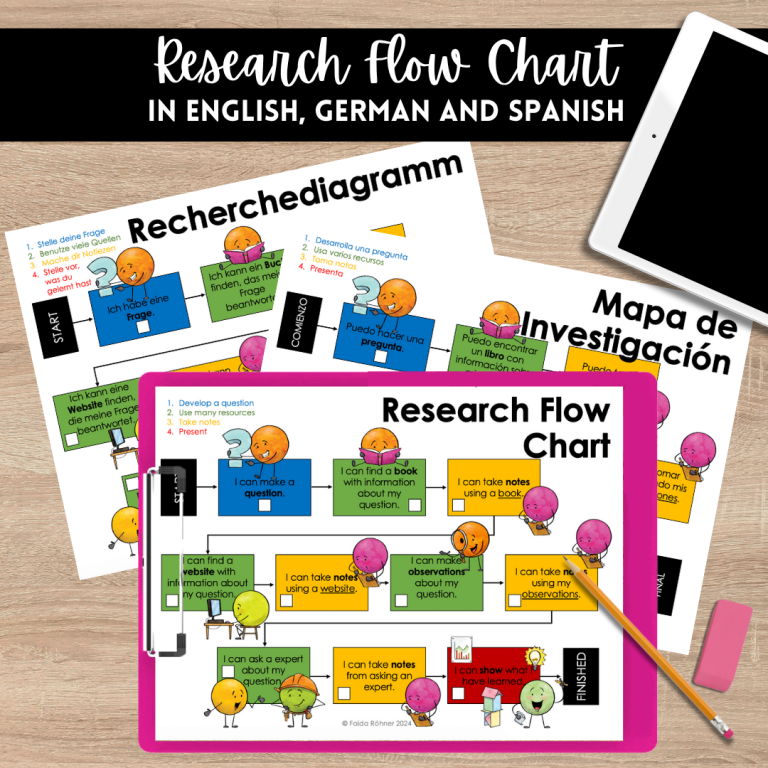
One of my favorite strategies when planning to support English language learners is making students part of the translation process.
Try this:
- Introduce a key word
- Draw it
- Students guess it in their home language
- Check with a translation tool like Google Translate
- Confirm accuracy later with a native speaker (This could be a quick and easy sent home to parents for clarification.)
This approach:
- Builds critical thinking through active thinking (They don’t just rely on the translation itself.)
- Deepens understanding
- Honors student identity
9. Differentiate Text While Keeping the Same Topic
When supporting English language learners, differentiation is essential, but dignity matters too.
Keep in mind:
- Maintain age-appropriate content
- Avoid materials that feel “too easy” or childish
- Keep all students connected to the same topic
This ensures inclusion while still planning to support English language learners effectively.
I like to do literature circles with all of my students. In upper elementary, we are reading chapter books for literature circle discussions. Rather than using picture books with my ELLs, I like to choose Usbourne Young Reading books because they still have chapters but use simpler language and are much shorter. You can get great versions of familiar stories for your ELLs as well as students who may need additional support with reading.
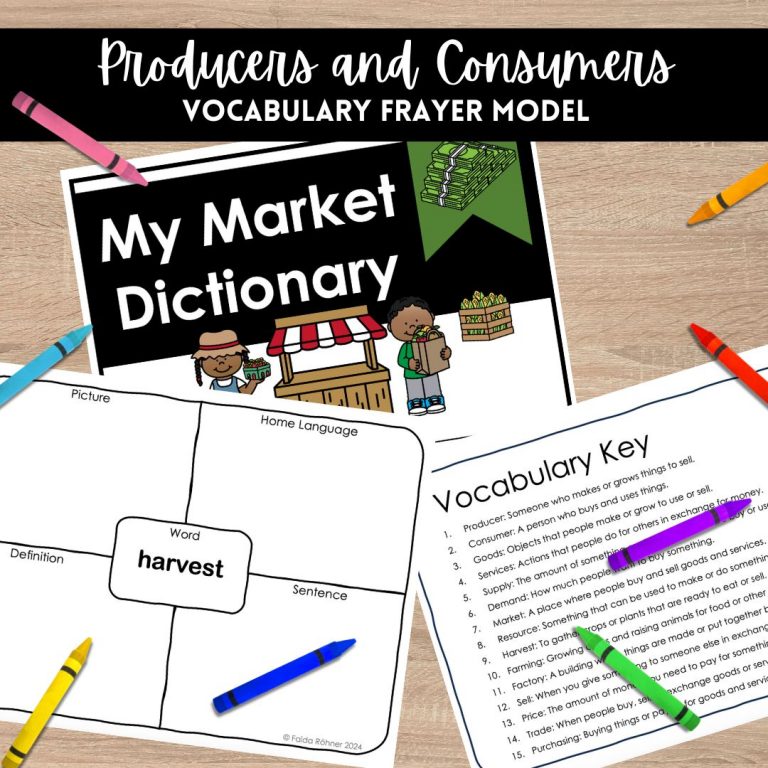
10. Use Language Dictionaries for Independence
A topic-based language dictionary is a powerful tool for supporting ELLs.
Benefits:
- Gives students ownership of their learning
- Provides quick reference during lessons
- Reinforces vocabulary over time
Students can build and refer back to their own language tool. This is real-world learning in action.
However you approach planning to support English language learners, always start with your objective.
Ask yourself:
- What is the main goal of this activity?
- What does success look like for my ELLs?
Remember:
Students will struggle if they are expected to develop language, kills and content knowledge all at the same time.
It’s okay to:
- Adjust expectations
- Set different goals
- Define success differently
Because at the end of the day, supporting English language learners is not about perfection. It’s about progress.
And when you are intentional about supporting English language learners, you create a classroom where every student feels seen, included, and capable of success.